

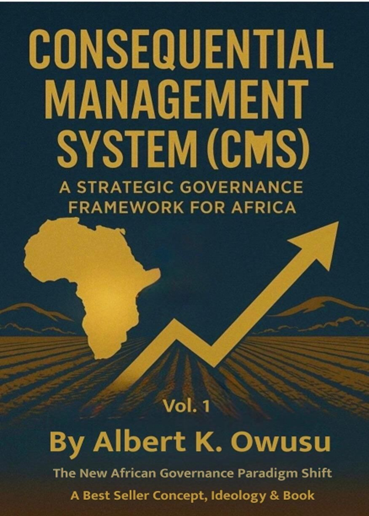
CMS: Two Perspectives for Transformation. The Consequential Management System(CMS) is built on two powerful perspectives: mindset awareness and impact-implementation.
- Mindset awareness ensures that leaders and institutions embrace the reality that every
decision carries inevitable consequences. It reshapes how individuals think about
responsibility, accountability, and long-term impact. – Impact-implementation ensures that
this awareness is not left at the level of philosophy. It translates into systems, processes,
and cultures that make accountability visible, measurable, and binding.
Together, these perspectives allow CMS to move beyond theory and into practice —
transforming not just organizations, but the way they are led.
Beyond Management: Toward Transformation In Part 1, we introduced CMS as a
foundational requirement for true transformation. The power of CMS lies in its ability to
reshape culture, align accountability, and transform decision-making into a discipline
grounded in consequences.
Principles that Redefine Accountability At the heart of CMS are a set of guiding
principles that move accountability from aspiration to structure:
- Consequences Are Inescapable – Every action, whether by leaders, teams, or
institutions, produces outcomes. CMS ensures these outcomes are systematically linked
back to their origin. - Alignment Between Decisions and Results – Traditional management often celebrates
effort; CMS measures impact. Leaders are judged not by the policies they announce, but
by the tangible consequences those policies create. - Transparency as a Cultural Norm – CMS embeds clarity into processes, making it
possible for stakeholders to trace decisions to their outcomes. This breaks the cycle of
blame-shifting and fosters trust. - Shared Responsibility, Individual Accountability – Organizations thrive when teams
collaborate. But CMS ensures accountability never disappears in the crowd; individuals
remain answerable for their roles in the chain of consequences.
How CMS Plays Out in Practice When applied, CMS transforms organizations in
measurable ways:
- In Government: Policies move from political slogans to enforceable commitments.
Ministries, agencies, and leaders are held accountable for results, not rhetoric. Citizens
see clear cause-and-effect between governance and national progress. - In Corporations: Strategic decisions are no longer insulated from outcomes. Executives
and managers are evaluated on performance metrics that directly reflect the
consequences of their choices. Shareholder value and employee trust grow together. - In Civil Society & Institutions: NGOs, educational bodies, and community organizations
adopt CMS to ensure their missions are pursued with transparency, measurable
outcomes, and credibility in the eyes of donors and stakeholders.
Why Leaders Are Turning to CMS Leaders who embrace CMS often describe it as a
“reset button.” It shifts cultures that were once bogged down by bureaucracy, excuses,
and short-term thinking into environments where results and integrity drive momentum. By
anchoring every decision in the framework of consequences, CMS doesn’t just change
how organizations are managed — it changes how they are trusted.
Preparing for the Consequence Generation CMS is not an isolated system, nor a
passing idea. It is a precursor to something bigger: the Consequence Generation, a
movement of leaders and institutions who understand that the future belongs to those who
take responsibility for the consequences they create.
That vision will be the focus of Part 3 in this series, where we explore how CMS is inspiring
a global shift in leadership philosophy and accountability.
DISCLAIMER: The Views, Comments, Opinions, Contributions and Statements made by Readers and Contributors on this platform do not necessarily represent the views or policy of Multimedia Group Limited.
DISCLAIMER: The Views, Comments, Opinions, Contributions and Statements made by Readers and Contributors on this platform do not necessarily represent the views or policy of Multimedia Group Limited.