
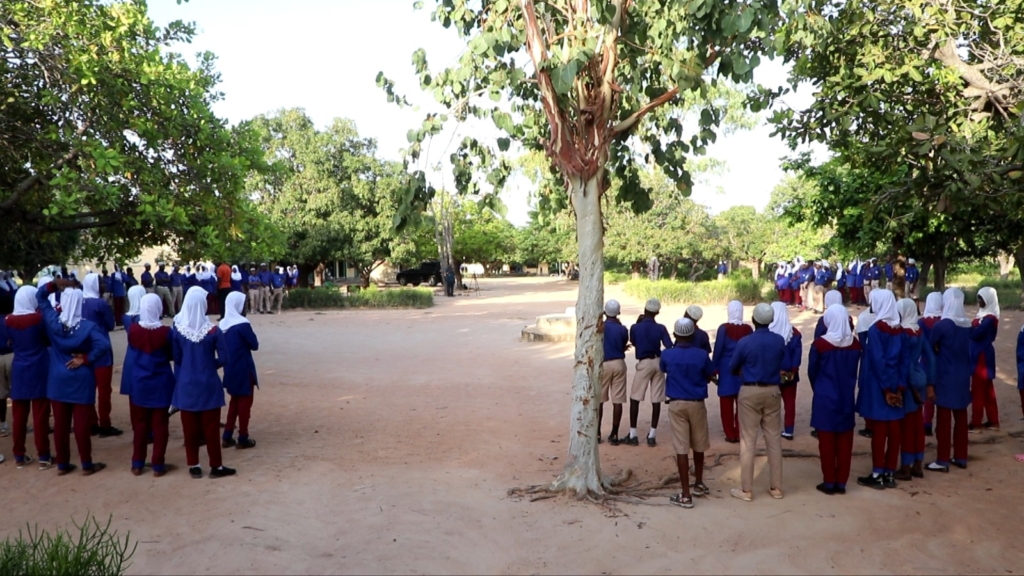
In an era where climate risks such as windstorms and erratic rainfall are intensifying across northern Ghana, one school in the Wa Municipality offers compelling evidence that simple, community-led interventions can deliver long-term climate resilience.
At the heart of this evidence is a sustained tree-planting initiative at the T.I. Ahmadiyya Cluster of Schools, demonstrating how local action, backed by consistency and ownership, can reduce disaster risk, improve livelihoods, and enhance learning outcomes.
What began as a modest idea by a handful of teachers has grown into a mature climate adaptation intervention embraced by generations of pupils. Established in the mid-1970s and relocated to its current site in the early 1980s, the school once suffered severe damage from a powerful windstorm that ripped off the entire roof, forcing a temporary relocation to the Wa School for the Deaf.
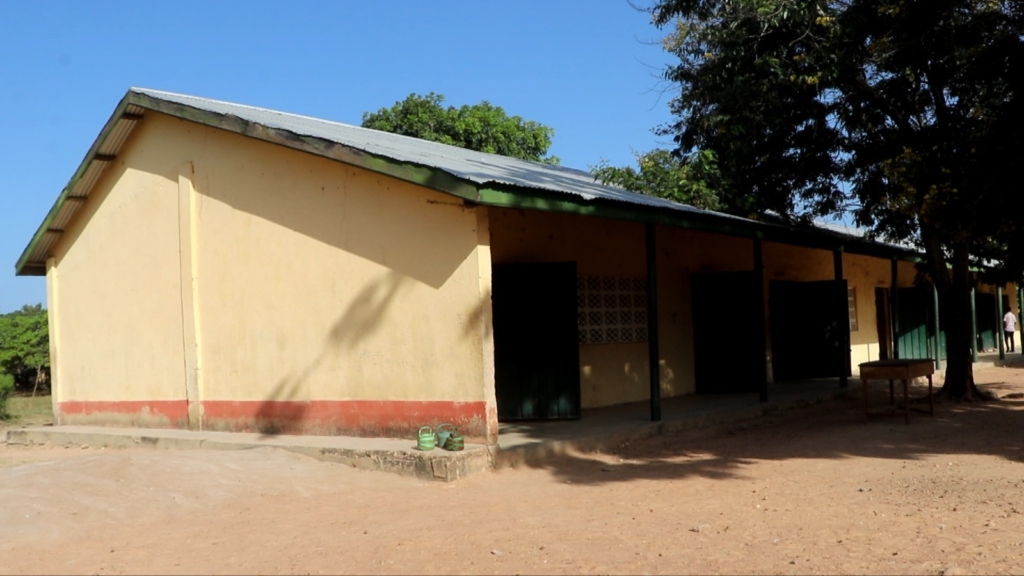
That experience became the trigger for a data-informed response: every pupil was required to plant and nurture a tree as a protective buffer against future wind and rainstorms.
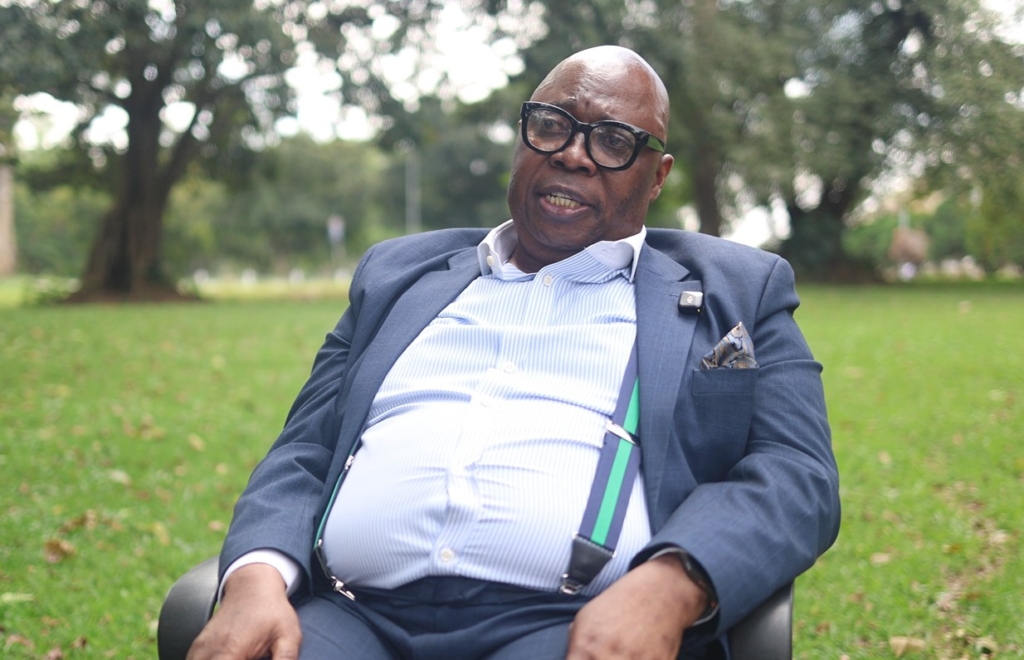
Former pupil Shamsuddin Salih recalls that tree planting was not symbolic but compulsory and sustained. Each child was responsible for nurturing a tree throughout their time at the school, embedding environmental stewardship into everyday learning.
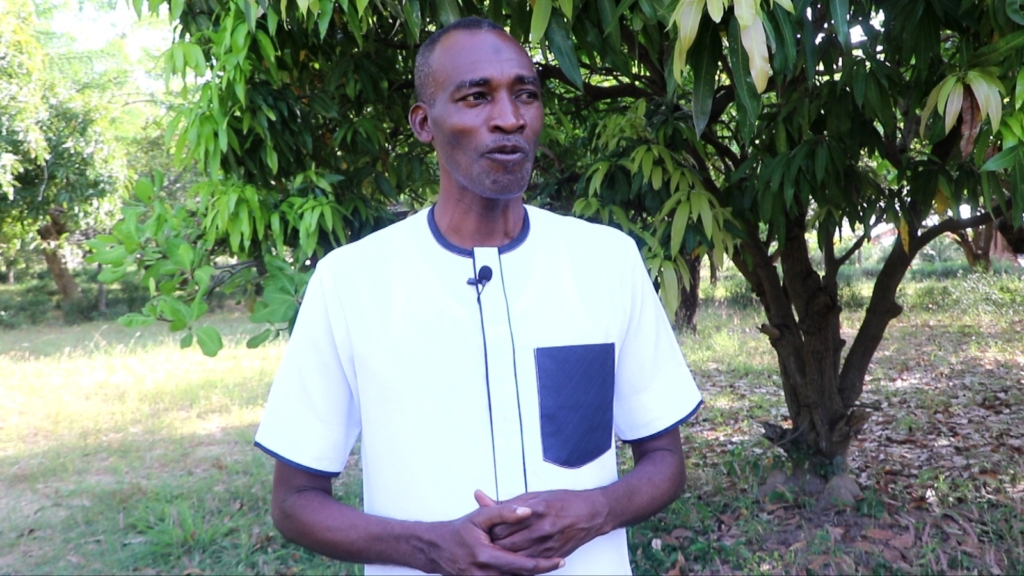
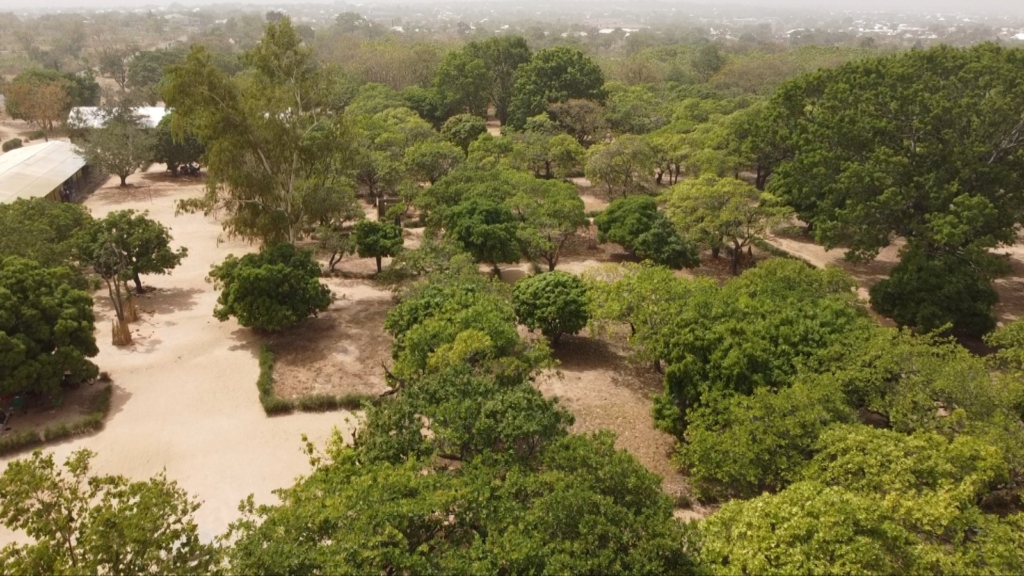
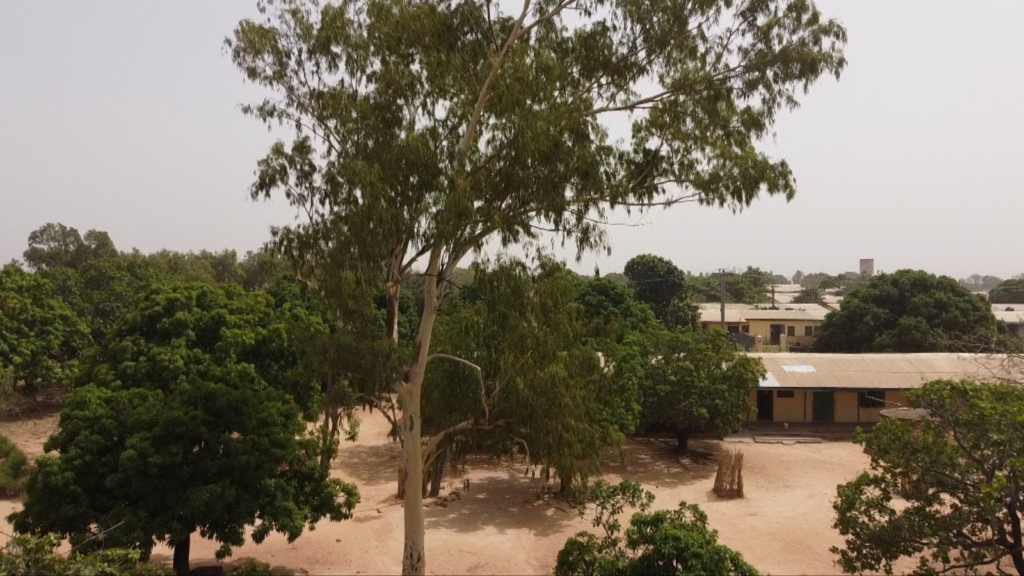
Over time, this intervention created a dense vegetative cover that now surrounds the school, significantly reducing wind speed, improving microclimate conditions, and lowering exposure to climate-related hazards.
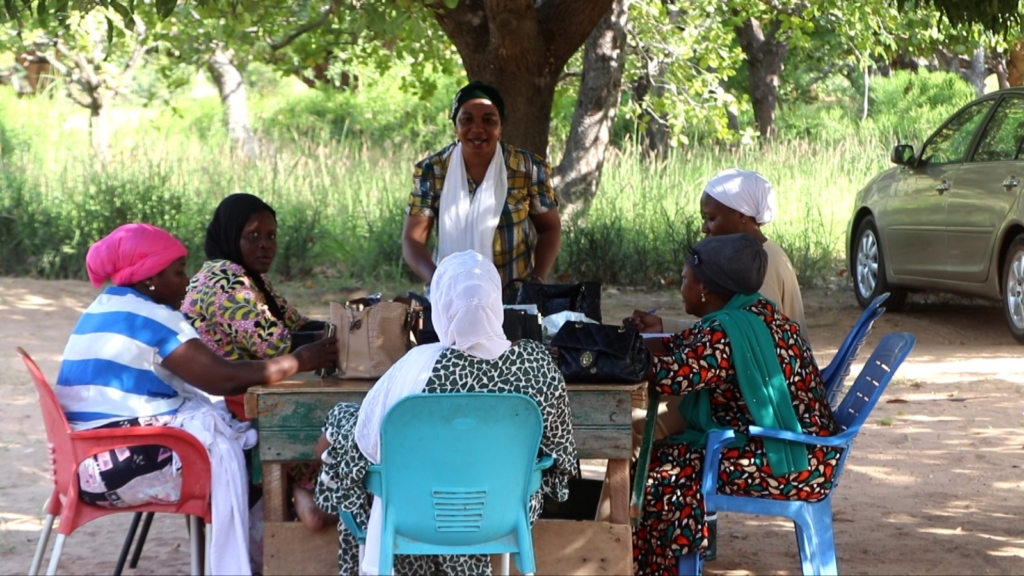
Today, the impact is immediately visible. The first sight upon entering the school—located between the Wa SSNIT Flats and the Wa Municipal Labour Office—is a thriving canopy of trees that envelops the entire compound. This green buffer has transformed the school into a cooler, calmer, and more resilient space, offering empirical evidence of nature-based solutions at work within an educational setting.
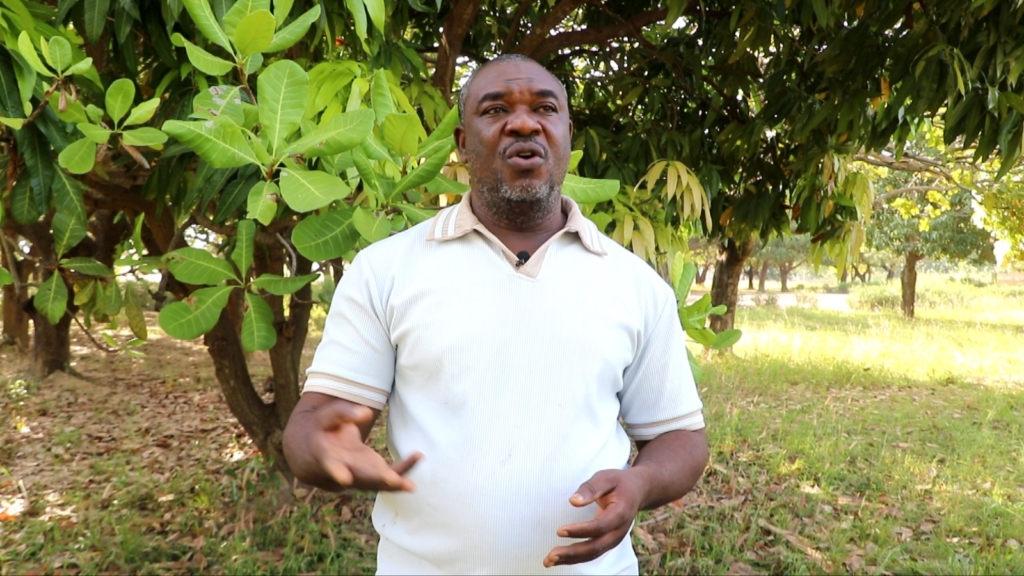
The initiative was further strengthened with the establishment of the junior high school and sustained leadership from educators such as former headmaster Mr. Abass Ishahaku, Mr. Yahaya Bashirudeen, Mr. Anane Asamoah, and a French teacher remembered by pupils simply as Monsieur. Their collective commitment ensured continuity, turning tree planting into an institutional culture rather than a one-off activity.
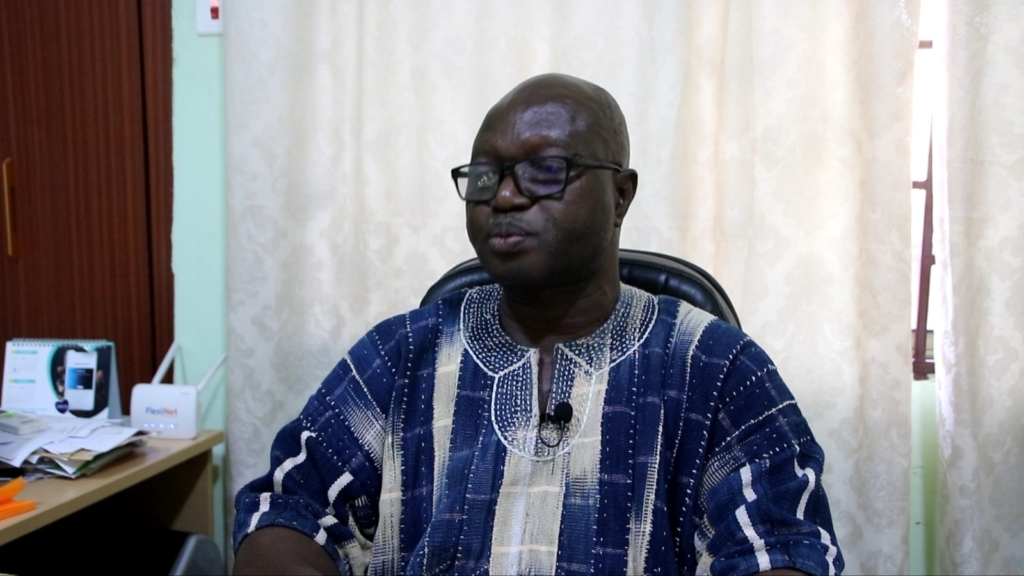
The intervention has drawn attention from education authorities. The Acting Upper West Regional Director of Education, Jonathan Kpierakoh, has described the school’s tree cover as a practical climate-risk reduction measure and has urged schools across the country to replicate the model. He has also called on households to adopt tree planting as part of broader climate resilience efforts.
Beyond environmental protection, the data shows multiple co-benefits. The trees provide shade that improves teaching and learning conditions and played a critical role during the COVID-19 pandemic, allowing safer outdoor interactions.
Economically, fruit trees—particularly cashew—have generated income that supported the construction of additional classrooms, directly linking climate action to educational infrastructure development.
According to the Head Teacher of T.I. Ahmadiyya JHS, Ibrahim Fauzy Jibraeel, the school’s green environment has contributed to its recognition through several national and international awards.
However, expansion plans for the plantation have stalled due to external pressures, including indiscriminate bush burning and the destruction of young trees by roaming cattle—highlighting the need for stronger community-level protection measures to safeguard climate investments.
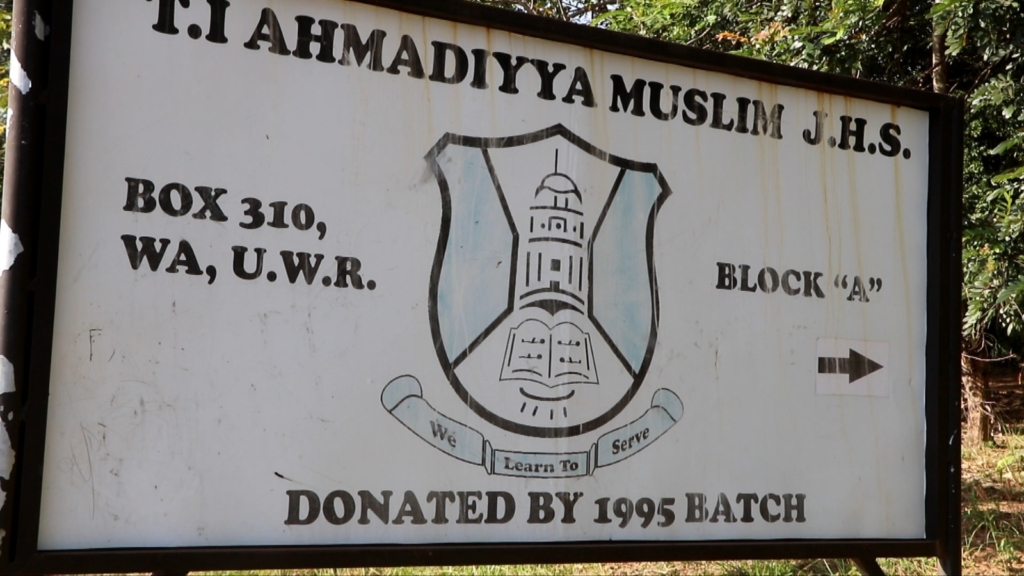
Taken together, the T.I. Ahmadiyya experience provides clear climate evidence: long-term, low-cost interventions rooted in local participation can reduce disaster risk, support adaptation, and deliver social and economic returns. As climate impacts intensify, this school stands as a data-backed reminder that resilience can begin with something as simple—and as powerful—as a tree.
***
This story is brought to you by JoyNews in partnership with CDKN Ghana and the University of Ghana Centre for Climate Change and Sustainability Studies, with funding from the CLARE R4I Opportunities Fund.
DISCLAIMER: The Views, Comments, Opinions, Contributions and Statements made by Readers and Contributors on this platform do not necessarily represent the views or policy of Multimedia Group Limited.
DISCLAIMER: The Views, Comments, Opinions, Contributions and Statements made by Readers and Contributors on this platform do not necessarily represent the views or policy of Multimedia Group Limited.