Regreening Africa Initiative launches 2nd Phase to combat land degradation and boost climate resilience – MyJoyOnline
4 Min Read
SHARE
0:00
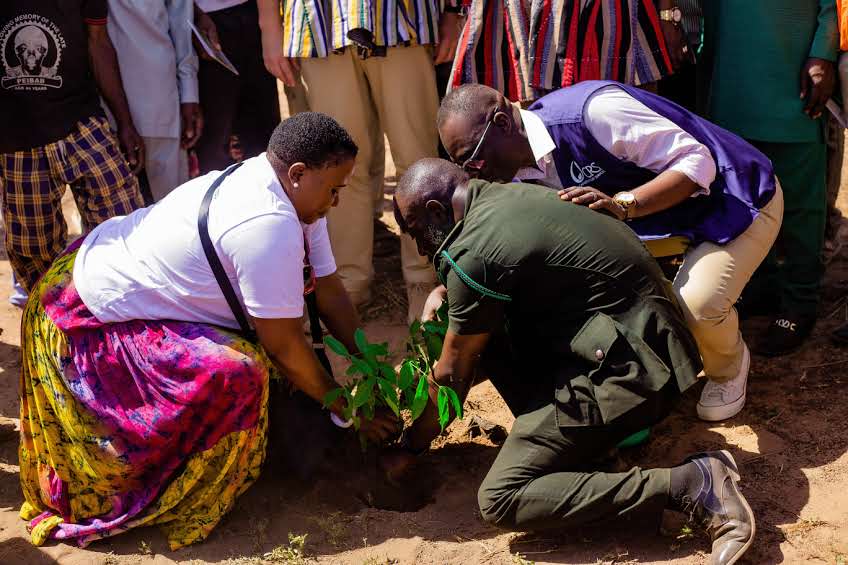
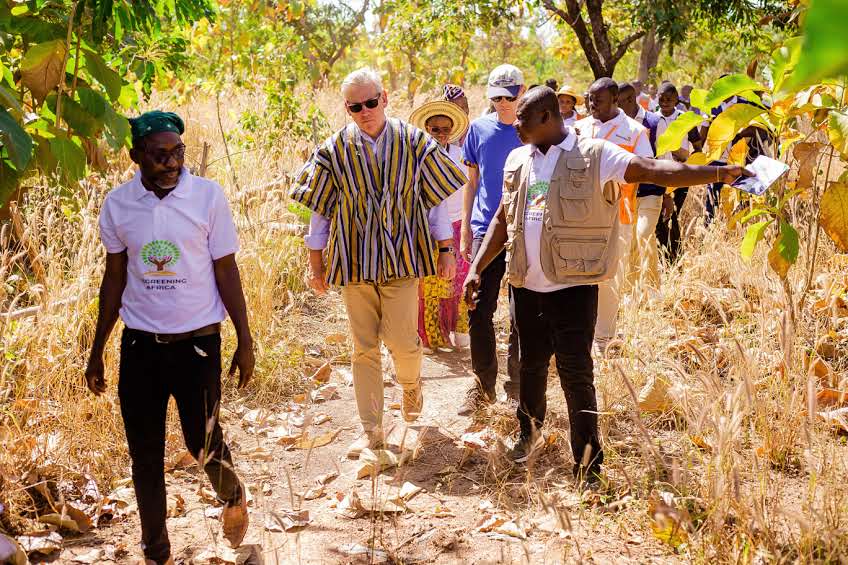
The Regreening Africa Phase II (RA II) Project was officially launched on Tuesday, 25 November 2025, in Kukpalgu, Mion District, Northern Region.
The project is funded by the European Union (EU) and implemented by a consortium led by World Agroforestry (ICRAF), in collaboration with World Vision Ghana (WVG), Catholic Relief Services (CRS), CARE, Sahel Eco, and Agronomes et Vétérinaires Sans Frontières (AVSF).
The second phase of the initiative aims to restore degraded landscapes, strengthen climate resilience, and improve livelihoods for smallholder farmers in the Bawku West, Garu, Tempane, and Binduri districts in the Upper East Region, as well as Yendi and Mion districts in the Northern Region of Ghana.
Speaking at the launch, EU Ambassador to Ghana, Rune Skinnebach, emphasised the EU’s commitment to supporting the Regreening Africa initiative, citing the encouraging results of the first phase:
“We are here today because we believe in solutions. We know that damaged land can be restored. The results of the first phase of the project are encouraging. We know that communities can adapt and succeed when they have the right tools and support.”
The Northern Regional Minister, Ali Adolf John, pledged the support of the Northern Regional Coordinating Council, stating:
“Government sees re-greening not as a project, but as a strategic pathway for climate resilience, food security, social stability, and economic transformation.”
The National Director of World Vision Ghana, Dr. Tinah Mukunda, highlighted the achievements of Phase I, which reached over 5,452 households and restored an estimated 5,117 hectares of land.
She emphasised the consortium’s collective commitment to advancing sustainable restoration, empowering women and youth, strengthening value chains, and improving livelihoods.
The Regreening Africa Phase II Project aims to support and incentivise smallholder farmers and pastoral households to adopt diverse and profitable regreening practices, strengthen policy environments, improve local governance systems, empower women and youth, and stimulate greater investment in restoration efforts.
It also seeks to promote evidence-based decision-making by ensuring that communities, institutions, and governments rely on research and data to guide and adapt restoration strategies, while expanding opportunities within green and restoration-focused rural enterprises, particularly those involving youth, women, and tree-based value chains.
The project is expected to generate widespread benefits, including:
Increased adoption of regreening practices among at least 200,000 additional smallholder households
Greater community resilience through healthier soils and more diverse agricultural systems
Improved food and nutrition security
Higher incomes
Strengthened green enterprises that create new opportunities for youth and women.
DISCLAIMER: The Views, Comments, Opinions, Contributions and Statements made by Readers and Contributors on this platform do not necessarily represent the views or policy of Multimedia Group Limited.
DISCLAIMER: The Views, Comments, Opinions, Contributions and Statements made by Readers and Contributors on this platform do not necessarily represent the views or policy of Multimedia Group Limited.
Sign Up For Daily Newsletter
Be keep up! Get the latest breaking news delivered straight to your inbox.
By signing up, you agree to our Terms of Use and acknowledge the data practices in our Privacy Policy. You may unsubscribe at any time.